
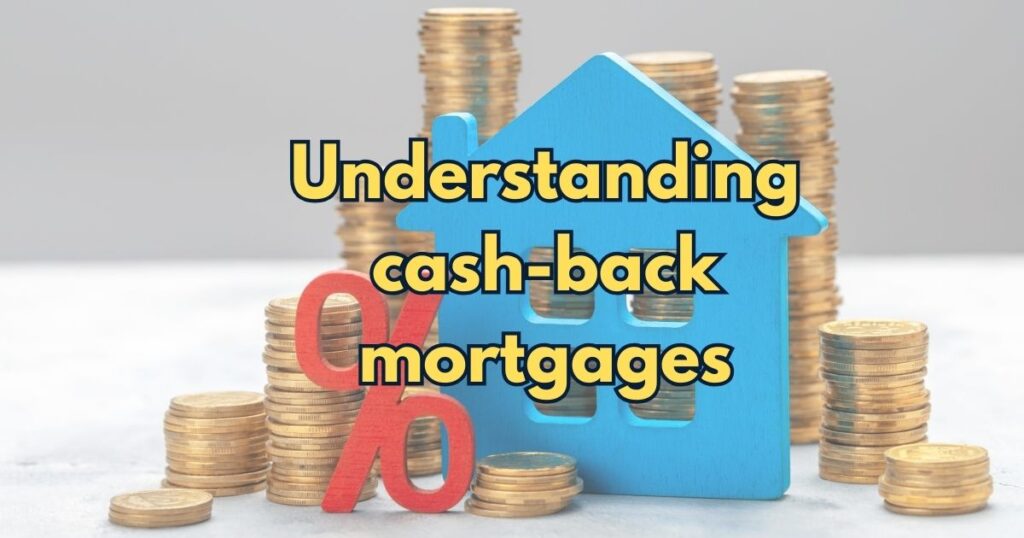
Understanding Cash-Back Mortgages
A cash back mortgage is a type of mortgage that provides a lump-sum amount of cash at the time of closing. This cash is typically calculated as a percentage of the mortgage amount and can be used to help cover upfront costs associated with buying or refinancing a home. In Ontario and across the GTA, cash-back mortgages are often considered by borrowers who want added flexibility during the early stages of homeownership.
Rather than reducing the purchase price or mortgage balance, the cash back is paid directly to the borrower at closing. The mortgage itself continues as normal, with regular payments made over the agreed term. Understanding how this structure works is important, as the benefits and trade-offs should be carefully evaluated.
How Cash-Back Mortgages Work
Cash-back mortgages are usually offered as fixed-rate products with set terms. The cash amount is commonly used for expenses such as legal fees, land transfer taxes, moving costs, or short-term financial needs after closing.
Cash-Back Amounts
The amount of cash provided is typically a small percentage of the mortgage principal. This percentage and the specific conditions depend on the lender and the mortgage product. In many cases, receiving cash back may be associated with a slightly higher interest rate compared to a standard mortgage.
Repayment Considerations
Although the cash is received upfront, it is effectively repaid over time through the mortgage. Borrowers should understand that the total cost of borrowing may be higher, depending on the rate and term chosen. Reviewing these details carefully helps ensure the mortgage aligns with long-term financial planning.
* When a Cash-Back Mortgage May Be Considered
Cash-back mortgages are not designed for every borrower, but they can be useful in certain situations. Some home buyers and homeowners use them to manage short-term expenses while preserving savings for emergencies or future needs.
In markets such as Vaughan, Markham, Richmond Hill, and Newmarket, where closing costs can be significant, a cash-back mortgage may help ease the initial financial transition. However, it is important to balance short-term convenience with long-term affordability.
Borrowers may want to consider:
- How long they plan to keep the mortgage
- Whether the cash will be used for essential costs
- The difference in interest rates compared to non-cash-back options
* Comparing Cash-Back Mortgages to Other Options
A cash-back mortgage is just one of several financing approaches. Alternatives may include standard fixed or variable mortgages, refinancing options, or using savings to cover upfront costs. Each approach has different implications for interest costs, flexibility, and future refinancing.
SMM Mortgage works with borrowers to explain how cash-back mortgages compare with other mortgage solutions. This includes reviewing affordability, repayment structure, and how different mortgage types fit within broader financial goals.
For additional context, borrowers can reference guidance from the Canada Mortgage and Housing Corporation on home-buying costs, mortgage information from the Government of Canada, and interest-rate policy updates published by the Bank of Canada.
* Next Steps for Mortgage Planning
If you are exploring a cash-back mortgage, reviewing your options with a qualified SMM Mortgage advisor can help clarify whether this structure fits your needs and long-term plans.
Frequently Asked Question
1. What is a cash-back mortgage?
A cash-back mortgage provides a lump-sum payment at closing, calculated as a percentage of the mortgage amount.
2. How can the cash back be used?
The funds are commonly used for closing costs, moving expenses, or other immediate financial needs.
3. Do cash-back mortgages have higher interest rates?
They may carry slightly higher rates compared to standard mortgages, depending on the product.
4. Are cash-back mortgages available for refinances?
In some cases, yes. Availability depends on lender guidelines and borrower qualifications.
5. Is a cash-back mortgage suitable for first-time buyers?
It can be, but suitability depends on individual financial circumstances and long-term goals.