
Understanding Investment Mortgages in Ontario
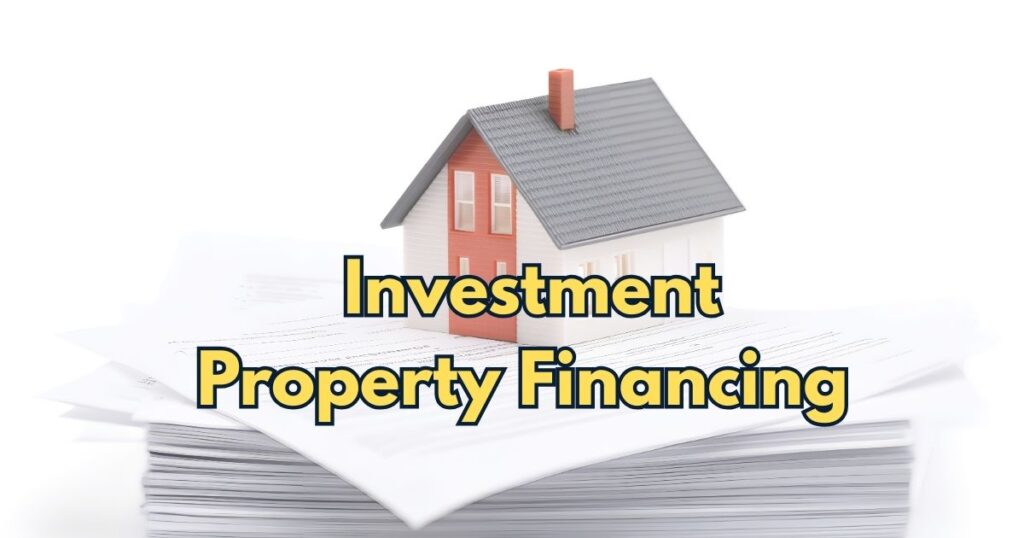
An investment mortgage is designed for properties purchased primarily to generate income or long-term value rather than serve as a primary residence. These mortgages are commonly used for rental homes, duplexes, triplexes, and multi-unit residential properties. In Ontario and across the GTA, investment properties play an important role in long-term financial planning, but the financing rules differ from those for owner-occupied homes.
Because lenders view investment properties as higher risk, qualification standards are more structured. Borrowers are typically required to provide larger down payments, demonstrate stable income, and meet specific debt-service thresholds. Understanding how these requirements work before purchasing can help investors make informed and realistic decisions.
How Investment Mortgage Qualification Works
Lenders assess investment mortgage applications using a combination of personal finances and property-level analysis. The goal is to confirm that both the borrower and the rental income can support the loan over time.
Key factors considered include income stability, existing debts, credit history, and the expected performance of the property. In cities such as Vaughan, Markham, Richmond Hill, and Newmarket, lenders may also consider local market conditions when evaluating rental demand and property value.
Down Payment Requirements
Most investment properties require a minimum down payment of 20 percent. Multi-unit properties or higher-value homes may require more, depending on the lender and the borrower’s overall profile. A larger down payment can reduce borrowing risk and may improve mortgage terms.
Rental Income Considerations
Lenders typically include a portion of projected rental income when assessing affordability. This helps offset mortgage payments but is usually capped to account for vacancy or maintenance risk. Accurate rental estimates are essential for a strong application.
* Rates, Terms, and Mortgage Structure
Investment mortgages may carry different interest rates than owner-occupied loans. Rates can vary based on loan-to-value ratio, property type, and whether the mortgage is fixed or variable. Choosing the right structure is often as important as securing a competitive rate.
Some investors prioritize predictable payments, while others focus on flexibility for future refinancing or portfolio growth. Mortgage terms, prepayment options, and penalty structures all influence long-term outcomes, particularly for investors planning to scale.
SMM Mortgage helps borrowers understand how these elements interact so that the mortgage aligns with broader financial goals rather than just the initial purchase.
* When Alternative or Non-Traditional Lending May Apply
Not all investment scenarios fit standard lending guidelines. Self-employed borrowers, investors with multiple properties, or those with complex income structures may require alternative solutions. In these cases, access to a broader lending landscape becomes important.
SMM Mortgage works as a direct mortgage provider while also facilitating access to banks, credit unions, and alternative lenders when appropriate. This approach allows for flexibility while maintaining clear underwriting standards and responsible lending practices.
For regulatory and educational reference, investors may consult authoritative resources such as the Canada Mortgage and Housing Corporation, the Government of Canada mortgage guidelines, and interest-rate information published by the Bank of Canada.
* Local Considerations for Ontario and GTA Investors
Ontario’s real estate market varies significantly by region. Investment strategies that work in downtown Toronto may differ from those suited to Newmarket or Richmond Hill. Lenders consider local vacancy trends, property type, and rental sustainability when assessing investment mortgages.
Understanding local dynamics can help investors choose properties that align with both lending requirements and long-term market fundamentals.
Next Steps for Investment Property Financing
If you are considering an investment property, speaking with a qualified SMM Mortgage advisor can help clarify your options and next steps
.
Frequently Asked Questions
1. What is an investment mortgage?
An investment mortgage is a loan used to purchase property intended to generate rental income or long-term financial return.
2. How much down payment is required for an investment property?
Most lenders require at least 20 percent down, though requirements may vary by property type and borrower profile.
3. Are interest rates higher for investment mortgages?
Rates can be higher than for owner-occupied homes due to increased lending risk, but this depends on several factors.
4. Can rental income help with mortgage qualification?
Yes. Lenders typically include a portion of expected rental income when calculating affordability.
5. Can first-time buyers qualify for an investment mortgage?
Yes, but qualification standards are stricter, and higher down payments are usually required.
S