
Understanding Reverse Mortgages
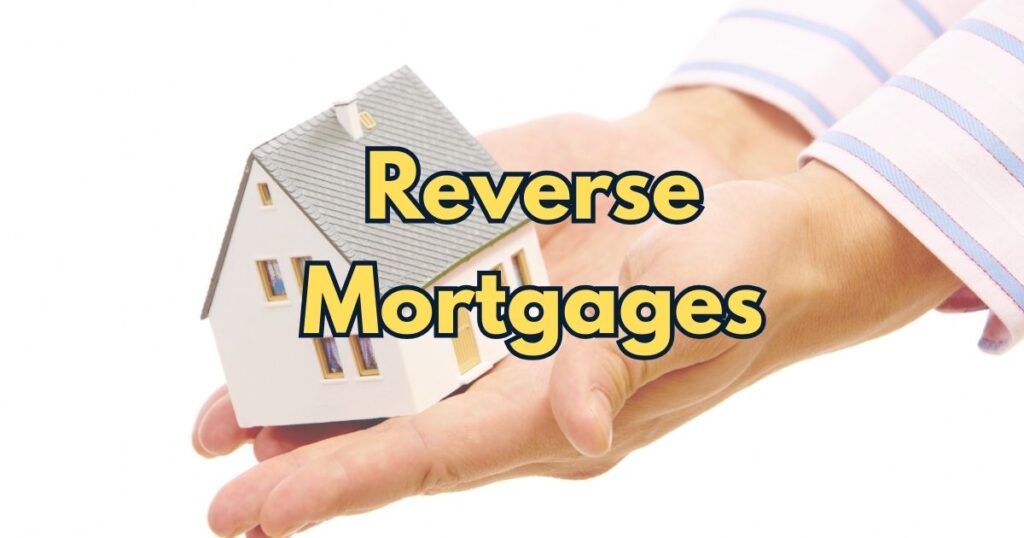
A reverse mortgage is a financial product that allows eligible homeowners to access a portion of their home equity without selling their property or making regular mortgage payments. Instead of paying the lender each month, interest is added to the loan balance over time. The loan is typically repaid when the home is sold, the homeowner moves, or the property is no longer the primary residence.
In Ontario and across the GTA, reverse mortgages are most commonly considered by older homeowners who want to supplement retirement income, manage expenses, or access funds while remaining in their home. Because this type of mortgage affects long-term equity, it is important to understand how it works before deciding whether it is suitable.
How Reverse Mortgages Work
Reverse mortgages differ from traditional mortgages in both structure and repayment.
* Accessing Home Equity
The amount available through a reverse mortgage depends on factors such as the homeowner’s age, property value, and location. Generally, a higher age and higher property value may allow access to a larger portion of equity. Funds may be received as a lump sum, periodic payments, or a combination, depending on the product.
* Repayment Structure
No regular mortgage payments are required while the homeowner lives in the property. Interest accumulates over time and is added to the loan balance. Repayment usually occurs when the home is sold or ownership changes.
This structure can provide flexibility but also means that the total amount owed increases over time.
Common Uses of Reverse Mortgages
Reverse mortgages are often used to support retirement planning. Some homeowners use the funds to cover living expenses, healthcare costs, or home maintenance. Others use them to consolidate existing debt or support family members.
Home Buyer and homeowners in Vaughan, Markham, Richmond Hill, and Newmarket may consider reverse mortgages differently depending on property values and long-term housing plans. Understanding how the funds will be used is an important part of deciding whether this option aligns with personal goals.
Key Considerations Before Choosing a Reverse Mortgage
While reverse mortgages offer flexibility, they also involve important trade-offs.
* Impact on Home Equity
Because interest accumulates, the remaining equity in the home decreases over time. This may affect future housing options or the value of the estate left to beneficiaries.
* Costs and Fees
Reverse mortgages may include setup costs, interest charges, and other fees. Comparing these costs with other mortgage solutions can help clarify whether a reverse mortgage is the most appropriate option.
Using available mortgage tools may also help homeowners estimate long-term impacts on equity and affordability.
For additional consumer information, homeowners may review guidance from the Canada Mortgage and Housing Corporation, mortgage education from the Government of Canada, and interest rate context from the Bank of Canada.
Reverse Mortgages and Long-Term Planning
A reverse mortgage is best considered as part of a broader financial and housing strategy. Some homeowners review this option alongside plans such as downsizing, refinancing, or future mortgage renewals. Evaluating these alternatives together can support clearer decision-making and reduce uncertainty.
Next Steps for Mortgage Planning
If you are exploring a reverse mortgage, speaking with a qualified SMM Mortgage advisor can help clarify how this option fits within your long-term financial goals and homeownership plans.
Frequently Asked Questions
1. What is a reverse mortgage?
A reverse mortgage allows eligible homeowners to borrow against home equity without making regular mortgage payments.
2. Who typically qualifies for a reverse mortgage?
Eligibility depends on age, property value, and lender guidelines.
3. Do I still own my home with a reverse mortgage?
Yes. The homeowner retains ownership as long as the property remains their primary residence.
4. When does a reverse mortgage need to be repaid?
Repayment usually occurs when the home is sold, ownership changes, or the homeowner moves.
5. Can a reverse mortgage affect my estate?
Yes. Because interest accumulates, it may reduce the remaining equity available to beneficiaries.